
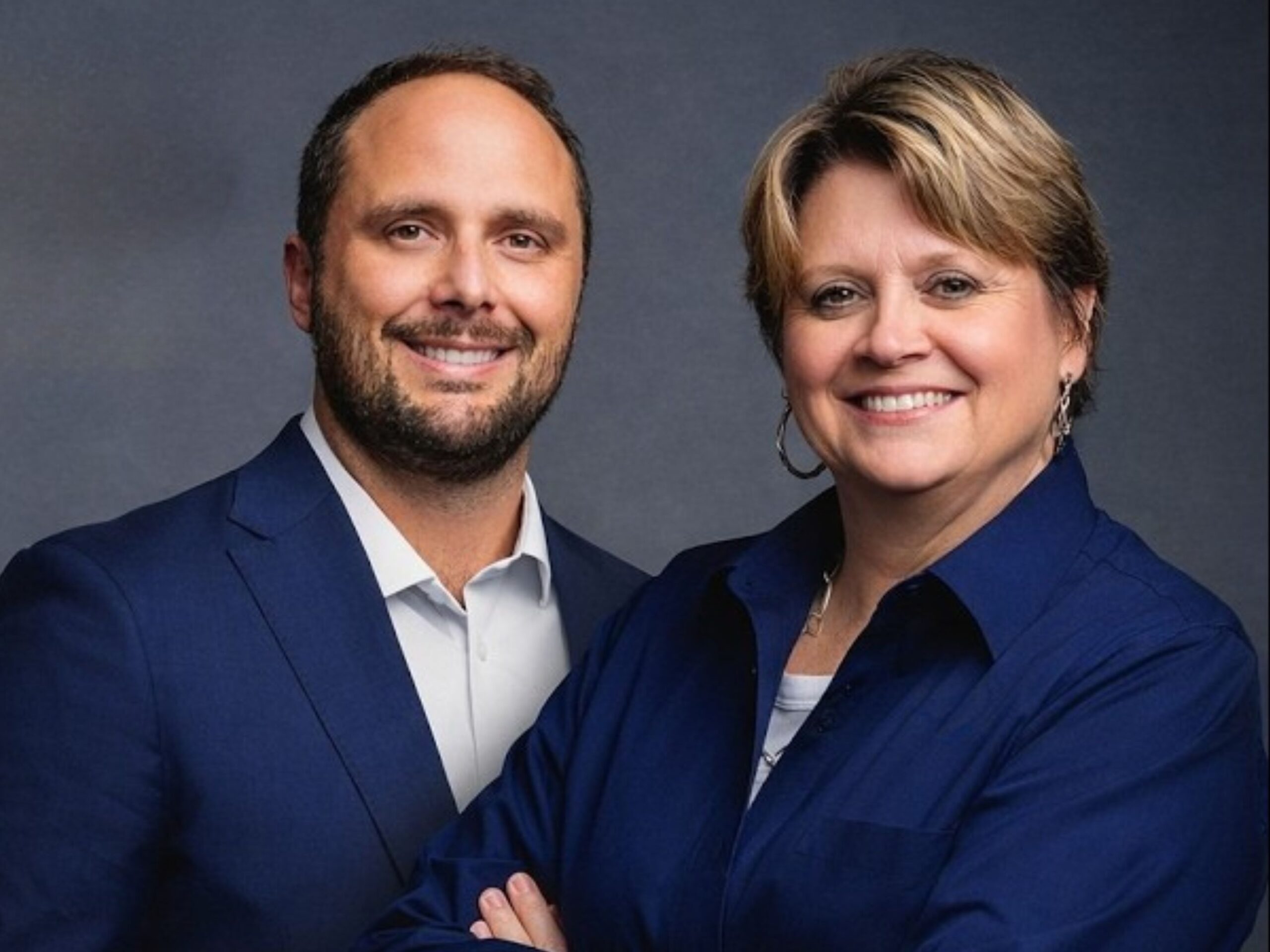
I recently sat down with Linda Goodner, our director of operations at L. Jennings Law, to talk about one of the most important tools in estate planning. Trusts.
If you're thinking about your will, your assets, or what happens to your property when you pass away, understanding the difference between revocable and irrevocable trusts is essential.
Watch the Full Chat
Watch our full conversation below. Or watch it directly on our YouTube channel.
What's a Revocable Trust?
The main purpose of any trust is to help you avoid probate. When you set up a revocable trust, you maintain control. You can change it whenever you want. You're in charge while you're living, and you own everything in the trust. It's flexible and straightforward. Most people start here when they begin estate planning.
What's an Irrevocable Trust?
An irrevocable trust is the opposite. Once you set it up, it's set in stone. You can't revoke it or change it later. That sounds limiting, but there are real reasons people choose this route.
We use irrevocable trusts primarily for Medicaid planning. If you're thinking ahead to potential nursing home care, moving assets like real estate into an irrevocable trust can protect them and help you plan strategically for long-term care costs.
We also use them for asset protection. If your assets are in an irrevocable trust, they're protected from creditors, lawsuits, divorce, and other threats. For high-net-worth families, we occasionally use them for estate tax planning, though that's less common now with higher exemptions.
Special needs planning is another important use. If you have a child or adult with special needs, a special needs trust allows you to provide for them without disqualifying them from government benefits like Medicaid or disability.
What About Deeds?
Almost every estate plan involves some sort of deed work. You might be transferring property into your trust or using something called a beneficiary deed.
A beneficiary deed is one of my favorite tools. Here's how it works. You own the property while you're living. But on the deed, you name someone who will receive that property when you pass away. The benefit is simple. It avoids probate, keeps you out of the court system, and can provide protections from long-term care costs.
There are other deeds too. Warranty deeds, quitclaim deeds. Each serves a purpose depending on your situation.
Why We Specialize in Estate Planning
Every lawyer chooses a specialty. I chose estate planning because it's complicated. To do it right, you have to think about it every day. You have to stay current on the law. You have to execute it properly. That's why L. Jennings Law focuses exclusively on estate planning and related services.
That depth of focus matters. It means when you call us, you're talking to someone who thinks about this stuff constantly. Not someone who dabbles in wills on the side.
Our Stewardship Philosophy
At the heart of what we do is a simple principle. Good stewardship of what you've been given.
Estate planning isn't about avoiding taxes or being clever. It's about doing the best with what you have. It's about making sure your assets are managed wisely, your family is protected, and your legacy reflects your values.
That's why we call ourselves a stewardship firm.
How to Reach Us
If you have questions about trusts, deeds, or any aspect of estate planning, reach out.
Our main office is in Magnolia on Main Street, and we also have an office in Little Rock.
You can call us at 501-501-9455 to book an appointment. Our office hours are 8:30 a.m. to 4:30 p.m. every day.
When you call, you'll likely talk to Emily Short, our front desk coordinator, who handles all appointments. We have a team here, including Linda Goodner as our director of operations, Seth helping with the phones and behind-the-scenes work, and Cordell, another attorney who works part-time in our Magnolia office.
If you need a will or trust, we can handle it. Just don't call us if you get arrested.